A call assistant can completely transform the way you handle phone conversations – from answering customer inquiries to booking appointments and qualifying leads. Enhancing customer interactions, a call assistant lets you streamline communication while improving efficiency. If you’re looking for ways to harness technology for smarter communication, exploring innovative cloud computing solutions can be a game changer.
For teams needing more power and speed, consider high-performance computing systems that make large-scale operations effortless. On the marketing side, learning about effective customer engagement strategies can complement your call assistant strategy and improve results.
You might also find helpful advice on ways to improve online marketing efforts to better connect with clients. And for those managing budgets or planning growth, reliable financial planning resources for businesses can ensure your call assistant investment delivers real value.
Whether you are a busy entrepreneur, a growing team, or a large organization, check out automated customer service solutions that help you work smarter, delight customers, and reclaim valuable time.
Top 10 Contact Center Solutions for Streamlined Call Assistant Operations
When it comes to improving customer support efficiency, choosing the right contact center solution is critical. A call assistant can help automate routine tasks, route inquiries intelligently, and provide a seamless experience for both agents and customers. Here’s a list of the top 10 contact center platforms to consider.
1. Bright Pattern – AI-Powered Contact Center Solution
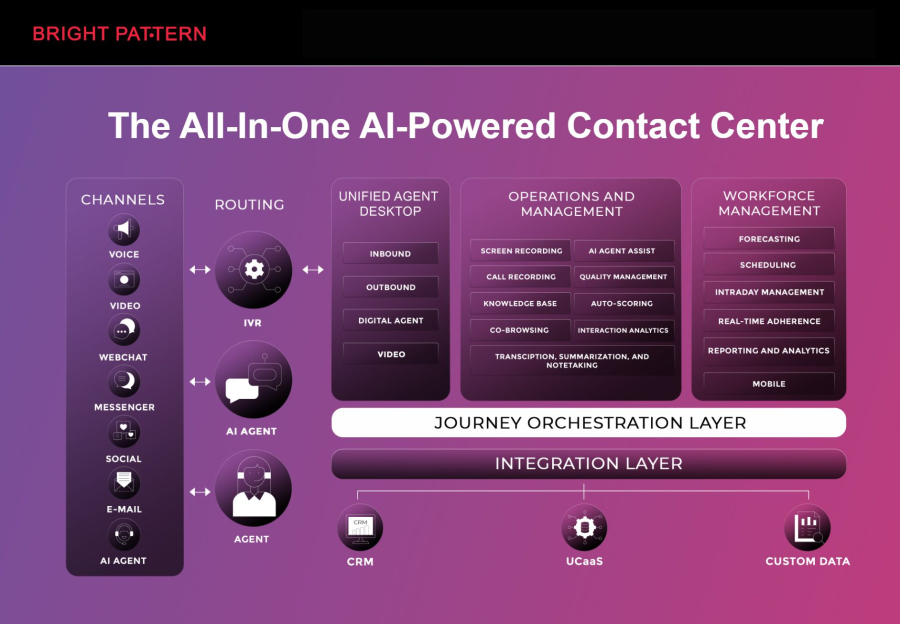
Bright Pattern is a leading AI-driven contact center solution designed to enhance call assistant performance and overall customer interactions. Its platform integrates AI seamlessly, enabling businesses to handle high volumes of calls, chats, and messaging channels without compromising quality.
Key features of Bright Pattern include:
- Omnichannel support for voice, chat, email, SMS, and social media
- Intelligent routing powered by AI to connect customers with the right agent quickly
- Automated call assistant for answering routine inquiries and qualifying leads
- Real-time analytics and reporting to monitor performance and improve workflows
- Integration with CRM systems to provide agents with full customer context
With Bright Pattern, companies can reduce wait times, improve first-call resolution, and optimize agent productivity, making it an ideal solution for modern customer engagement.

2. Five9 – Cloud Contact Center Platform
Five9 offers a scalable cloud-based contact center platform designed to enhance call assistant capabilities. Its AI features include virtual agents, predictive dialing, and advanced reporting tools to optimize support efficiency.
3. Genesys Cloud CX – Intelligent Customer Experience
Genesys Cloud CX delivers AI-powered solutions for routing, workforce management, and self-service. The platform’s call assistant integration enables quick automation of routine tasks while maintaining personalized customer experiences.
4. Talkdesk – AI-Driven Customer Engagement
Talkdesk provides cloud-based contact center software with integrated AI for automating repetitive interactions. It supports multiple communication channels and allows businesses to improve agent productivity.
5. RingCentral Contact Center – Omnichannel Communication
RingCentral offers a unified contact center solution with call assistant capabilities that handle voice, chat, and messaging efficiently. AI-driven analytics help optimize call flows and enhance customer satisfaction.
6. NICE inContact CXone – Customer Experience Automation
CXone by NICE inContact leverages AI to deliver intelligent routing, automated interactions, and agent assist features. It is designed to improve the efficiency of call assistant operations while providing real-time insights.
7. 8x8 Contact Center – Cloud-Based Support Platform
8x8 offers a cloud contact center solution that integrates AI virtual agents and analytics tools. Its call assistant functions allow organizations to handle high call volumes and streamline communication.
8. Amazon Connect – Scalable AI Contact Center
Amazon Connect provides a cloud contact center platform with AI-powered call assistant functionality. It supports automation, real-time analytics, and natural language understanding to improve customer service.
9. Cisco Contact Center – Enterprise Communication Solutions
Cisco Contact Center solutions include AI-driven agent assist, omnichannel routing, and detailed reporting. The platform allows businesses to enhance their call assistant workflows and maintain high service quality.
10. Avaya OneCloud – AI-Enhanced Customer Engagement
Avaya OneCloud provides AI-assisted routing, call automation, and integrated analytics. The solution enables call assistant features that reduce agent workload and improve overall efficiency.
What Is a Call Assistant?
Acall assistantis a person or software tool that manages phone calls on your behalf. It can be a live virtual receptionist, an AI voice assistant, or a combination of both. The core purpose is simple: handle calls efficiently so you and your team can focus on high‑value work.
Modern call assistants go far beyond basic call answering. They can qualify leads, schedule appointments, route calls, capture detailed messages, and even integrate with your calendar or CRM. This means every call becomes an organized, trackable part of your workflow instead of an interruption.
Why Call Assistants Are Becoming Essential
Phone calls remain one of the most trusted, high‑intent communication channels. When someone calls, they are often ready to buy, book, or get urgent help. Yet many businesses still miss calls, put customers on hold, or lose details in scattered notes.
A call assistant changes that by ensuring every call is answered professionally, quickly, and consistently. The result is higher customer satisfaction, stronger brand perception, and more revenue captured from every incoming inquiry.
Key Benefits of Using a Call Assistant
Adopting a call assistant can deliver a wide range of advantages across productivity, customer experience, and revenue.
1. Never Miss a Valuable Call
Missed calls often mean missed opportunities. A call assistant ensures that:
- Every incoming call is answered promptly.
- After‑hours callers still receive a professional, helpful response.
- High‑priority calls can be identified and routed to the right person.
This consistency makes your business feel accessible and reliable, which is crucial for building trust.
2. Free Up Time for Deep Work
Constant phone interruptions break concentration and slow down meaningful work. With a call assistant handling routine queries, you can:
- Protect blocks of time for strategy, creative work, or client delivery.
- Return calls on your schedule, with clear summaries already prepared.
- Reduce the stress of trying to "do everything at once" during busy days.
By filtering and organizing calls, a call assistant turns a chaotic call stream into a manageable queue.
3. Deliver a Consistent, Professional Caller Experience
First impressions matter. A call assistant helps you sound polished and dependable from the very first ring. Benefits include:
- Consistent greetings that reflect your brand voice.
- Standardized responses to common questions.
- Clear, friendly communication no matter who is on duty internally.
For small teams, this can instantly level up your perceived size and professionalism.
4. Boost Conversion Rates and Sales
When calls are answered quickly and handled skillfully, more inquiries turn into paying customers. A good call assistant can:
- Qualify leads using your criteria.
- Capture complete contact details and call intent.
- Book consultations or demos while the prospect is highly engaged.
Instead of simply taking a message, the assistant actively moves the caller to the next step in your sales or service process.
5. Improve Organization and Follow‑Up
With a call assistant, information from every call can be recorded clearly and systematically. This helps you:
- Avoid losing important details in handwritten notes or memory.
- Track call history for each client, lead, or case.
- Ensure follow‑ups are timely and well‑informed.
Better data means better decisions, more personalized service, and fewer dropped balls.
6. Extend Coverage Without Adding Full‑Time Staff
Hiring additional in‑house staff to cover phones can be costly and inflexible. A call assistant solution offers:
- Scalable coverage as call volumes rise.
- Support during peak periods, without permanent overhead.
- Options for evening, weekend, or 24/7 handling, depending on your needs.
This makes it easier for growing businesses to offer big‑company availability on a lean budget.
Types of Call Assistants
"Call assistant" can refer to several different formats. Understanding the options helps you choose the right approach for your goals.
1. Human Virtual Receptionist
A human virtual receptionist is a live person who answers and manages your calls remotely. They follow your scripts, workflows, and brand guidelines, just like an in‑house receptionist would.
Ideal for:Businesses that prioritize a personal, human touch in every interaction.
2. AI Call Assistant (Voice or Phone Bot)
An AI call assistant uses advanced speech recognition and natural language processing to converse with callers. It can greet, understand common requests, route calls, take messages, and sometimes even complete tasks like appointment booking.
Ideal for:High call volumes, after‑hours coverage, and handling repetitive, structured requests at scale.
3. Hybrid Call Assistant
A hybrid model combines AI with human agents. The AI handles straightforward calls (like checking opening hours or confirming a booking), while complex or sensitive calls transfer to a human assistant.
Ideal for:Organizations that want the efficiency of automation plus the empathy and flexibility of human support.
4. Personal Call Assistant for Individuals
Call assistants are not only for businesses. Busy professionals, freelancers, and executives can use a personal call assistant to:
- Screen calls and reduce distractions.
- Handle scheduling and simple inquiries.
- Protect personal privacy while maintaining accessibility.
This is especially valuable for individuals who manage multiple projects or clients simultaneously.
Core Features to Look for in a Call Assistant
When evaluating call assistant options, it helps to have a clear checklist of important capabilities. Below is an overview of commonly sought features and the benefits they bring.
|
Feature |
What It Does |
Key Benefit |
|
Call Answering & Greeting |
Answers calls with a customized script. |
Delivers a consistent, professional first impression. |
|
Call Routing |
Directs callers to the right person or department. |
Reduces transfers and gets callers help faster. |
|
Message Taking |
Captures name, contact info, and reason for calling. |
Ensures complete, accurate information for follow‑up. |
|
Appointment Scheduling |
Books appointments directly into your calendar. |
Removes back‑and‑forth and fills your schedule efficiently. |
|
After‑Hours Handling |
Manages calls when your office is closed. |
Keeps you reachable and responsive 24/7 if desired. |
|
Call Screening |
Distinguishes urgent calls from routine ones. |
Protects your time while ensuring priority issues get through. |
|
CRM or Calendar Integration |
Syncs caller details and bookings with your systems. |
Centralizes information and streamlines internal workflows. |
|
Call Notes & Summaries |
Provides clear written recaps of each call. |
Makes follow‑up faster, easier, and more accurate. |
|
Multi‑Language Support |
Assists callers in their preferred language. |
Expands your reach and improves inclusivity. |
|
Analytics & Reporting |
Tracks call volumes, patterns, and outcomes. |
Reveals trends and opportunities for improvement. |
Top Use Cases for a Call Assistant
Call assistants can create impact across many industries and roles. Here are some of the most common and powerful applications.
1. Small Business Reception and Customer Service
For small businesses, staffing a front desk all day can be challenging. A call assistant can:
- Welcome callers with your business name and friendly greeting.
- Answer frequently asked questions (like hours, pricing ranges, or location).
- Forward important calls to the right team member or take messages when they are busy.
This lets you present a polished, always‑on image without the cost and complexity of a full‑time in‑house receptionist.
2. Professional Services and Consultations
Law firms, accounting practices, consultants, and agencies rely heavily on scheduled meetings. A call assistant can:
- Qualify new inquiries based on your intake questions.
- Book consultations directly into your calendar.
- Reschedule or cancel appointments while keeping you informed.
By managing these details, your assistant keeps your pipeline full and your calendar organized, while you focus on delivering expert service.
3. Healthcare and Wellness Practices
Clinics, therapists, and wellness centers often have high call volumes from patients and clients. A call assistant helps by:
- Handling appointment bookings and reminders.
- Answering standard non‑clinical questions.
- Routing urgent concerns to on‑call staff based on your protocol.
This creates a calmer front desk, reduces wait times on the phone, and improves the overall experience for patients.
4. Real Estate and Property Management
Real estate professionals can receive calls at all hours about listings, showings, and applications. A call assistant can:
- Respond to listing inquiries with basic information quickly.
- Schedule showings and open house visits.
- Collect details from rental applicants or maintenance requests.
Fast, organized responses help you capture more leads and keep tenants or buyers feeling supported.
5. Sales and Lead Generation Teams
For sales‑driven organizations, every incoming call can be a warm lead. A call assistant can:
- Log lead details and key questions.
- Assign calls to the right salesperson based on territory or product.
- Book demos or discovery calls on the spot.
This turns the phone line into a consistent, trackable revenue channel instead of an unpredictable inbox.
6. Solo Entrepreneurs and Freelancers
Solo professionals need to protect their time while staying reachable. A personal call assistant can:
- Screen calls to filter out low‑value interruptions.
- Present a polished brand voice even if you work from home or on the go.
- Let you switch your phone "off" while knowing that calls are still being handled.
With this support, you can appear larger and more established than your actual headcount, in the best possible way.
How to Choose the Right Call Assistant Solution
Selecting a call assistant is easiest when you are clear about your goals, volume, and workflows. Consider the following steps as you evaluate your options.
1. Clarify Your Primary Objectives
Start by identifying what matters most to you. For example, are you trying to:
- Reduce missed calls and voicemails.
- Shorten response times.
- Increase bookings and consultations.
- Protect your team from constant interruptions.
Your top priorities will guide decisions about which features and service levels are essential.
2. Estimate Your Call Volume and Patterns
Understanding how many calls you receive, and when, helps you choose the right capacity. Reflect on:
- Average daily and weekly call counts.
- Peak hours or days where calls spike.
- Seasonal surges, such as holidays or busy periods.
High volumes may favor AI or hybrid models, while moderate, high‑touch volumes may align best with human virtual receptionists.
3. Map Your Ideal Call Flows
Before implementing a call assistant, outline how you want calls to be handled. Consider:
- Greeting language that matches your brand tone.
- Questions to ask new leads or patients.
- Which calls should be transferred immediately and to whom.
- What information should be captured in every message.
A clear call flow design makes setup smoother and ensures every interaction feels intentional.
4. Decide on Human, AI, or Hybrid
Each model brings distinct strengths:
- Human assistantsexcel at empathy, nuance, and complex conversations.
- AI assistantsshine in speed, scalability, and 24/7 coverage.
- Hybrid modelsbalance both, letting automation handle routine tasks while people handle sensitive or intricate issues.
Your customer expectations, call types, and brand style will determine which mix feels right.
5. Evaluate Integrations and Compatibility
To maximize value, your call assistant should connect smoothly to the tools you already use. Look for compatibility with:
- Calendar systems for booking and reminders.
- Customer relationship management platforms.
- Help desk or ticketing systems.
- Internal communication tools your team relies on.
Strong integrations reduce manual data entry and keep your whole operation aligned.
6. Assess Onboarding, Training, and Support
A successful call assistant implementation depends on smooth setup and ongoing support. Pay attention to:
- How your scripts and workflows are collected and configured.
- How quickly the assistant can go live.
- How easy it is to update instructions or call routing as you grow.
- The availability of assistance if you have questions or need to make changes.
Efficient onboarding means you see benefits faster and can evolve your setup over time.
Designing an Effective Call Script for Your Assistant
Even the most advanced call assistant performs best with clear, thoughtful scripts. A great script balances professionalism with warmth and makes every caller feel valued.
Elements of a Strong Call Script
- Friendly greetingthat includes your business name.
- Brief explanationof how the assistant can help.
- Key questionsto understand the reason for the call.
- Reassuranceabout what will happen next (for example, when they will hear back).
- Gracious closingthat thanks them for calling.
Example Call Script Structure
Greeting:
"Thank you for calling Bright Path Consulting. This is your call assistant. How may I help you today?" Qualification:
"Are you an existing client, or are you calling about a new project?"
"May I have your name and the best number to reach you?" Information Gathering:
"Could you briefly describe what you are looking for help with?" Next Steps:
"Thank you, that is very helpful. Our consultant will review this and follow up with you by . Is there anything else I can help you with today?" Closing:
"Wonderful. Thank you for calling Bright Path Consulting. Have a great day!"
This simple framework can be adapted to fit any industry while keeping conversations clear and reassuring.
Measuring the Success of Your Call Assistant
To fully appreciate the impact of your call assistant, track a few meaningful metrics over time.
Key Performance Indicators (KPIs)
- Answer rate– The percentage of calls answered versus missed.
- Response time– How quickly calls are picked up.
- Lead capture rate– How many calls result in usable contact details and next steps.
- Appointment conversion– What portion of inquiries turn into scheduled meetings.
- Caller satisfaction– Feedback gathered from customers about their phone experience.
Seeing these numbers improve over weeks and months confirms the value your call assistant brings and highlights additional optimization opportunities.
Success Scenarios: What a Call Assistant Makes Possible
To visualize the real‑world impact, imagine these scenarios where a call assistant elevates results.
A Growing Agency Doubles Its Discovery Calls
A small marketing agency used to miss calls while the team was in client meetings. After adopting a call assistant with scheduling capabilities, every inquiry was answered and offered a discovery call slot. Within a few months, their discovery calls doubled, and their pipeline became more predictable and robust.
A Clinic Reduces Front‑Desk Overload
A busy wellness clinic struggled with long phone queues and overwhelmed staff. Implementing a call assistant to manage appointments and routine questions significantly reduced hold times and front‑desk stress. Patients reported smoother experiences, and staff could focus more on in‑person care.
A Solo Consultant Gains Back Focus Time
An independent consultant felt constantly interrupted by calls while working on strategic projects. With a call assistant screening calls and capturing details, the consultant reclaimed focused work hours each day while still responding promptly to priority clients, leading to higher quality deliverables and improved client satisfaction.
Getting Started With a Call Assistant
Implementing a call assistant does not have to be complicated. You can move step by step and quickly start experiencing benefits.
Step 1: Define Your Goals and Must‑Have Features
Clarify the main problem you want to solve, whether it is missed calls, overwhelmed staff, or inconsistent follow‑up. Use that clarity to list the features you consider non‑negotiable.
Step 2: Outline Your Call Flows and Scripts
Draft simple scripts for greetings, common questions, and message‑taking. Map how calls should be routed based on caller type or topic. Even a one‑page outline can provide strong direction.
Step 3: Choose a Service Model
Decide whether you want human, AI, or hybrid assistance. Match your choice to your brand, call volume, and budget.
Step 4: Launch, Review, and Refine
Once your call assistant is live, pay attention to early feedback and call summaries. Adjust scripts, routing rules, and data collection fields until the experience feels natural and highly effective. Small tweaks can yield big improvements in satisfaction and efficiency.
Conclusion: Turn Every Call Into an Opportunity
A well‑designed call assistant turns the phone from a source of stress into a strategic asset. By answering reliably, gathering the right information, and guiding callers toward clear next steps, it helps you:
- Protect your time and your team's focus.
- Deliver a consistently professional caller experience.
- Capture more leads, bookings, and revenue from every interaction.
Whether you are an individual professional, a growing small business, or an established organization, a call assistant can be the unseen partner that keeps your operation running smoothly in the background. With the right setup, every call becomes a chance to serve, impress, and grow.
